Day 2 – Room 1 – Session 5

From Classroom to Community: SPC Cairns’ 25-Year Commitment to Belonging

Download the Presentation (PDF)

This year, SPC Cairns proudly marks its 25th anniversary. The school’s journey began modestly, founded by a visionary individual in a single rented room in the heart of Cairns’ CBD. Over the past 25 years, SPC has transformed into a thriving institution, now situated on a picturesque 5-acre campus in Cairns’ northern beaches, just a 10-minute walk from the ocean. The campus boasts two swimming pools, a jacuzzi, tennis and basketball courts, an entertainment room, a mini zoo, student dormitories, and a vibrant cafeteria offering an array of culinary delights.

What truly distinguishes SPC is its strong connection with the local community. Through collaboration and engagement, SPC’s staff and students have fostered a unique partnership that brings people together in meaningful ways. In 2024 alone, SPC contributed $1.2 million to the local economy through homestay payments. The school also welcomed 1,400 study tour students during July, August, and September, each of whom visited iconic attractions such as the Great Barrier Reef, the Tablelands, and nearby national parks.

SPC further strengthens community ties by partnering with local mainstream schools to offer immersive language sessions enriched with cultural experiences. These programs not only benefit local schools but also empower SPC students, building their confidence as they share their knowledge and skills in collaborative settings.

In her presentation, Dr. Susan Delahunty will explore the innovative, community-focused projects that have defined SPC’s approach. Participants will leave inspired, equipped with practical ideas to deepen the connections between their own ELICOS centres and local communities, fostering collaboration and a renewed sense of purpose.

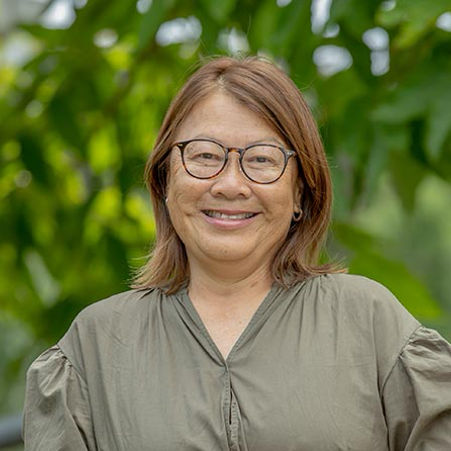
Presenter: Dr. Susan Delahunty

Dr. Susan Delahunty has over three decades of experience in the education sector, encompassing roles in ELICOS centres, TAFEs, and universities. She was a founding member of the NEAS Advisory Council, serving on the committee for five years. Currently, she holds the position of PEO/CEO at Sun Pacific College (SPC) in Cairns, which she describes as “one of the most unique schools in Australia.”

This distinctiveness inspired Dr. Delahunty to present at the NEAS conference, where she will highlight the innovative and impactful initiatives undertaken by SPC. Her presentation will explore how the school fosters engagement with the local community and how its students actively participate in community-based activities.

Dr. Delahunty’s aim is to illustrate that regardless of a school’s location, there are ample opportunities to establish meaningful connections with the surrounding community. She hopes attendees will leave her presentation inspired to strengthen their own community engagement efforts.

Day 2 – Room 1 – Session 4

A Transnational Delivery Experience: The ongoing development of a General English Program for university students in China following NEAS Quality Area M guidelines

Download the Presentation (PDF)

With the expertise garnered over many years of operation, in 2023 Australian Academy of Commerce offered to establish an ELICOS program for BOYA Institute of Technology, itself a part of Jiangxi University of Technology in the city of Nanchang, Jiangxi Province, China. This program plans to run consecutively with the students’ main field of study over three years and culminates in an intensive fourth year of English for Academic Purposes. The intent is to encourage students to study further afield in Higher Education institutions and universities in the West, primarily in Australia. The logistics of establishing these courses are quite complex, with many issues arising although the benefits at this stage far outweigh any concerns at present.

One of our aims is to receive NEAS endorsement for this Transnational delivery. Join Savvas Papandony, DOS ELICOS at AAC, to discuss the history, writing and implementation of the program, Summative assessment results, how stakeholder feedback is acted upon, and hear about the strong relationship that has developed between the partner institutions.

Presenter: Savvas Papandony

DOS ELICOS. Australian Academy of Commerce.

Curriculum, Syllabus, Assessment development in GE, EAP, IELTS. Curriculum and Syllabus design in GE and EAP for BOYA, Jiangxi University of Technology, Nanchang, China.

Day 2 – Room 1 – Session 3

Empowering EAL Learners – Pathways into the Real World

Download the Presentation (PDF)

Andragogical Knowledge
These principles are suggested by Malcolm Knowles:

  1. Adults need to be involved in the planning and evaluation of their instruction (diagnose & evaluate own pronunciation).
  2. Experience, including mistakes, provides the basis for the learning activities (their own speaking & listening with people).
  3. Adults are most interested in learning what is relevant to their job or personal life (being able to verbalise is most relevant).
  4. Adult learning is problem-centred rather than content-oriented (include pair/group risk–taking activities to challenge them).

Being understood as you speak is a foundational requirement to integrating and being valued in every community. Therefore, this presentation/workshop focuses on making the Aussie sounds correctly and using many different activities related to their everyday lives.

Presenter: Zoe Repse

Teaching since 1979 across primary, secondary, and tertiary levels. A dedicated workshop facilitator and speaker, passionate about engaging EAL and literacy learners within the community and author of English skills books.

Focused on EAL learners to motivate and boost confidence in casual conversations with native speakers, through teaching Australian expressions, pronunciation, intonation, and colloquialisms. Emphasising how closely reading and spelling are connected to the pronunciation of Australian phonemes.

Day 2 – Room 1 – Session 2

Leadership in ELT: Creating Cultures of Belonging in university English language centres

Download the Presentation (PDF)

Creating inclusive and supportive learning environments where all students feel they belong is crucial to student success in the English language classroom and may also set solid foundations for success at university. Belonging is understood to be crucial for students’ well-being and academic success and research in second language acquisition also suggests belonging plays a role in the language acquisition process. In addition, in university English language centres where many students are continuing on to further study in higher education, belonginess to the academic community can also play a role in reducing the likelihood of engagement in academic misconduct (Finn & Frone, 2004).

In order to build cultures of belonging, it is important to understand how students experience belonging. This presentation will explore student concepts of belonging in contemporary higher education settings and then examine the role leaders in university English language centres can play in fostering cultures of belonging.

For this presentation, Zoe will draw on current research from Ajjawi, Gravett & O’Shea (2023) on how ‘belonging’ is conceptualised. Eleven ways of experiencing belonging will be presented as images (https://www.belongingtouniversity.co.uk/), providing an opportunity for attendees to better understand how students experience belonging in university settings and consider how these learnings may be relevant to their teaching context. Zoe will also share some practical examples of how one university English language centre cultivates a culture of belonging in English language learners preparing for university study.

References
Ajjawi, R., Gravett, K., & O’Shea, S. (2023). The politics of student belonging: identity and purpose. Teaching in Higher Education, 1–14. https://doi.org/10.1080/13562517.2023.2280261
Finn, K. V., & Frone, M. R. (2004). Academic Performance and Cheating: Moderating Role of School Identification and Self-Efficacy. The Journal of Educational Research, 97(3), 115–121. https://doi.org/10.3200/JOER.97.3.115-121

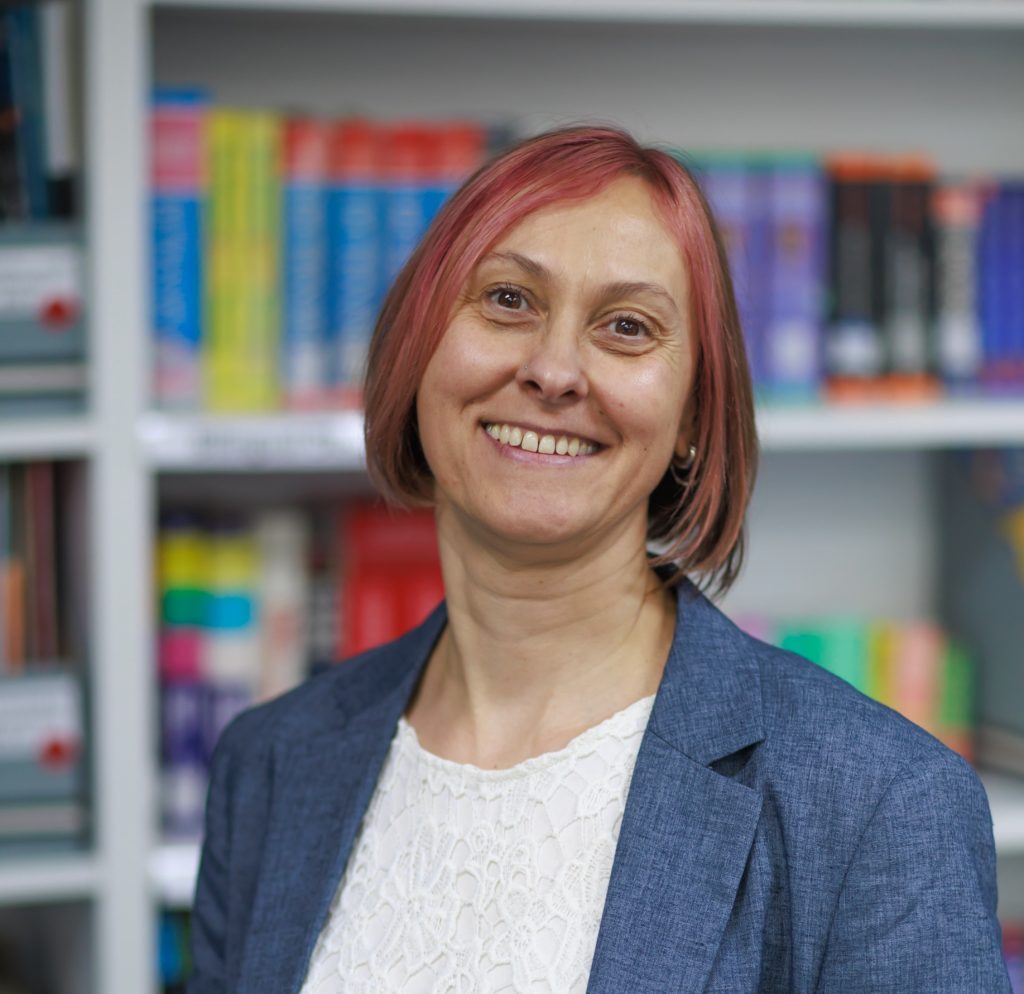
Presenter: Zoe Hancock

Zoe has been teaching English for over 25 years. After an early career pivot from accounting, Zoe began her teaching career in Japan.

She returned to Australia to complete a MA in Applied Linguistics at UTS and taught in a number of private colleges and university English language Centres in NSW and QLD across a range of courses including, General English, IELTS Prep, Cambridge prep, EAP, Direct-entry and Post-entry English and Academic language (PEAL).

Zoe has also worked in the area of teacher training from Cert IV through to Masters level. Most recently she has been involved in the development and delivery of an innovative online transnational English for specific Academic Purposes unit at Southern Cross University (SCU).

Transitioning into management and leadership roles, Zoe is focused on developing skills to ensure English language programs at SCU are effective, sustainable and responsive to the needs of both student and teachers.

Day 2 – Room 1 – Session 1

Professional Learning Teams – Creating a Supportive Community with ELT and Mainstream Teachers of EAL/D Students

Download the Presentation (PDF)

Within the hectic and ever transforming world of teaching and learning, supporting immerging ELT teachers as well as mainstream Australian curriculum teachers with EAL/D students in their classrooms can be problematic and the fear of the ‘one size fits all’ model continues. EAL/D teachers, directors, and advocates in schools rarely get the time and space to assist emerging teachers in this space as well as mainstream teachers in the way they would like, and the ongoing frustrations continue. In my current school context, we developed a way to address these issues through the use of Professional Learning Teams (PLT) to:

  • enhance teacher capabilities within EAL/D practices
  • allow ownership with EAL/D strategies being developed by mainstream staff
  • providing practical and visual models provided to staff to allow the support to be recognised and certainly not forgotten
  • engage students in reflective practice and to provide opportunities for them to lead staff development

My presentation will explore the project work of the ‘EAL/D PLT’ in our schooling context and explore how the meetings process, trail resources, lesson observations and reflections have increased EAL/D student performance in the classroom and how mainstream teachers are taking over as the advocates and promoting excellent practice in classrooms. I will explore how educators can establish a PLT in their school or language learning institute through an inquiry focus – creating a PLT action plan that states the student-centered goal, the strategies that will be implemented to attain the goal and the evidence that will be collected to help the team measure the impact and evaluate progress.

Presenter: Megan Huber

Megan Huber is the current Assistant Head of Faculty for Diverse Learning specialising in EAL/D Case Management and the Subject Coordinator for English for EAL Learners at St Laurence’s College in South Brisbane. She is also the current Chief Confirmer and Subject Matter Expert for English for EAL Learners for the Queensland Curriculum Assessment Authority as well as a Lead Trainer Marker for the External English Exams.

Megan started her teacher career in London and Essex and has been teaching in a variety of state, private and catholic schools in Brisbane specialising in EAL/D practices for over 18 years. Megan has held positions such as Head of International Students at St Laurence’s College and Academic Manager of ELICOS (HSP Programs) at Canterbury College. Megan has a passion for applied linguistics, English language curriculum design and assessment as well as quality assurance across these domains.

For Megan, collaboration is key when it comes to the advocacy of young English language learners in our Australian curriculum.

Day 1 – Opening Plenary

Stateless to Belonging

Download the Presentation (PDF)

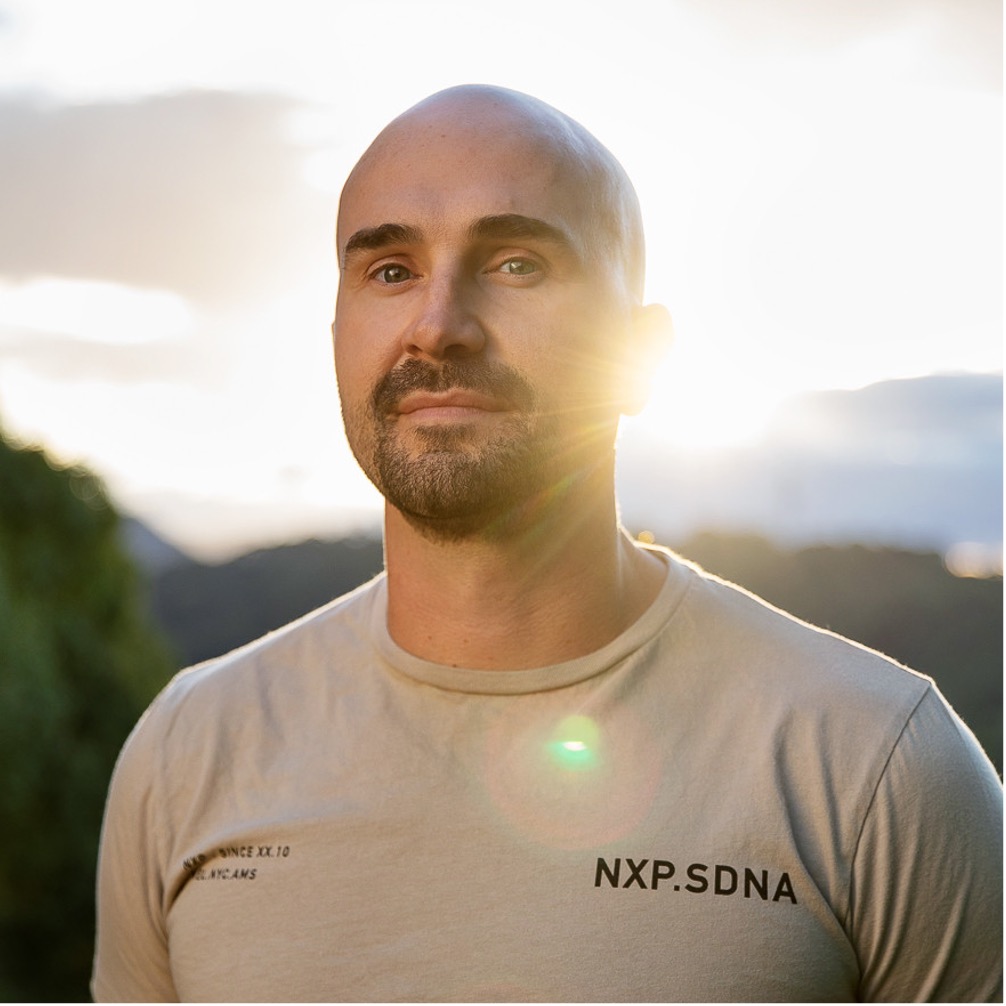
In this powerful and deeply personal plenary, Mehdi Sina shares his journey from a stateless childhood in Afghanistan and Pakistan to finding belonging in Australia. Growing up without citizenship, identity, or security, Mehdi reflects on what it means to live in survival mode: navigating fear, exclusion, and hardship while holding onto hope. Through harrowing experiences of displacement and resilience, he discovered that belonging is not something given, but something built through courage, contribution, and community. Today, Mehdi dedicates his life to uplifting marginalised voices and changing narratives.

Presenter: Mehdi Sina

Mehdi is a former Hazara refugee, public speaker, and human right activist. He started his journey after arriving in Australia on a lackey broken boat as an unaccompanied minor. He loves to take risks, make mistakes, and learn from his mistakes/failures. Early on in life, Mehdi learned the art of dealing with failure and rejection. According to neuroscientists, 95% of our decisions are based on feelings and emotions. That’s why, early on he changed his behaviour to change how he feels. The mantra which worked is “Do it or don’t, there is no try”.

Before arriving in Australia, Mehdi experienced ‘stateless’ and lived in “survival mode” where surviving through the day and night in one piece was the only goal. After arriving in Australia, Mehdi felt a strong connection within the community as in a word of Aristotle, “Do good, feel good”. he sought to inspire others with his own dramatic life narrative, encouraging them to push beyond comfort zones and foster mental resilience.

Despite challenges, Mehdi earned a Biomedical Engineering degree and launched a podcast channel, dedicated to sharing untold stories that contribute to collective learning. With a belief in the power of education and shared experiences, Mehdi envisions a world where mutual learning and understanding create a better place for all.

Day 1 – Keynote Session 1

The Need for Oracy in the Age of AI

Download the Presentation (PDF)

In this session, Cathy Jones an Assessment Development Specialist from the United Kingdom will explore the growing need to develop students’ oracy skills, particularly in the context of the digital age, where artificial intelligence (AI) is reshaping how we communicate, create, and learn.
Oracy can be defined as the ability to articulate ideas, develop understanding, and engage with others through speaking, listening, and communication. The benefits of developing oracy skills are clear – students who are effective communicators are better equipped to succeed in both their academic and professional lives.

However, the promotion of oracy across education at all levels remains uneven. In an era of deep fakes, fake news, and AI-generated content, Higher Education faces a growing challenge with the undetectable use of generative AI for coursework and assessments. This complicates the process of assessing students’ authentic abilities and academic integrity.

One possible solution is to complement written assessments with a stronger emphasis on spoken assessments. By requiring students to verbally express their ideas and defend them in real time, we can better gauge their ability to think critically, reason effectively, and engage in meaningful dialogue.
To prepare students for these evolving demands, high-stakes academic admissions tests should not only assess written skills but also evaluate spoken communicative ability and enable interactional competence in academic scenarios. Fostering a broader range of oracy skills – such as verbal reasoning, critical thinking, and effective argumentation – is essential and can help cultivate social, cultural, and leadership skills that are vital for integration and active participation in diverse communities.

Presenter: Cathy Jones

Cathy Jones is an Assessment Development Specialist at LANGUAGECERT. She has worked in the field of assessment for over twenty years with expertise in developing multi-level language curricula, tests and teaching materials for international organisations and governments.

Cathy is particularly interested in the transformative potential of assessment and in examining the impact of high-stakes English language assessment on teaching and learning and student outcomes. She holds a BA in French and History of Art from University College London.

Fundamentals of Copyright in Australia

We have all been puzzled by copyright questions. Do I need to ask permission to use this content? Can we copy images found online to give to our students? Is it okay to combine extracts from third-party sources with my own text to build a course pack?

In this session, Liesl Fitzpatrick, Senior Manager, Education Licensing at Copyright Agency, will show how ELICOS providers can take the guess work out of copyright compliance. Using real life examples, she will talk through key copyright principles and common myths.

Insights into Transnational Delivery – Survey Results and Trends

Patrik Pavlacic, CIO at Bonard, shares the latest trends and findings in transnational delivery based on insights gathered from a recent survey. This session explores key developments in international education, including the benefits and challenges of delivering programs across borders.

We also hear from Justin Foot, Albright Institute, and Savvas Papandony, Australian Academy of Commerce, about their own experiences establishing Transitional Education Delivery.

What’s NEW in IELTS?

 
IELTS is the worlds’ most trusted high-stakes English language assessment. Millions of tests are taken each year by people seeking to demonstrate English language proficiency for education, migration or employment. Join us for this webinar where we will discuss important updates in IELTS. This will include a review of IELTS Online and IELTS One Skill Retake, covering what it means for your students, applicants and organisation as a whole. The webinar will also touch upon the recent publication of the full IELTS Writing Band Descriptors and Key Assessment Criteria, following a review to ensure they remain fair, transparent and fit for purpose.

Creating Valid and Effective AI-Powered Language Tests: A Hands-On Tutorial with Jarrad

Join NEAS and Pearson for a hybrid workshop, offered both face-to-face at the Pearson office in Melbourne and online for national and international members.
Theme:
Gen-AI gives teachers easy-to-use tools to create language tests, whether it’s using DALL-E for images, ElevenLabs for audio, or ChatGPT for writing scripts. While these tools make it simpler to put together something like a listening test, they only cover part of the process. Ensuring a test is “valid” still requires consideration of accuracy, reliability, fairness, and explainability. Join Jarrad for a hands-on tutorial on creating AI-powered language tests that are both effective and valid.

Indonesia Workshop Series

Featuring outstanding presentations and content from Teachers and Academic Managers at English Language Teaching (ELT) Centre in Indonesia and Australia, NEAS Australia continues its ‘Going Glocal’ workshop series.

NEAS Australia is pleased to present a special virtual workshop on English for Healthcare Professionals in Indonesia, aimed at enhancing English language proficiency for healthcare professionals. This workshop addresses the critical communication needs of nurses, doctors, and healthcare workers in Indonesia, supporting them in delivering better patient care, collaborating internationally, and advancing their professional development.

Purpose

The purpose of this workshop is to foster stronger English language skills among healthcare professionals in Indonesia, preparing them to meet the demands of a globalised healthcare system.

Through this initiative, NEAS Australia aims to:

  • Strengthen industry links between Australia and Indonesia,
  • Showcase Australian education and training expertise,
  • Provide practical English tools and communication strategies tailored for healthcare professionals,
  • Promote international collaborations and partnerships in healthcare education.
Workshop Objectives
  1. Improving English Proficiency for Healthcare Professionals
    Participants will explore ways to enhance their English language skills in order to communicate more effectively with patients, colleagues, and international partners. This includes enhancing communication skills in English within medical contexts, focusing on patient interactions, professional discussions, and healthcare documentation.
  2. Facilitating International Collaboration
    The workshop will also address how English proficiency can strengthen collaboration between healthcare professionals across borders, promoting knowledge sharing and best practices between Indonesia and Australia.
  3. Fostering Professional Growth in Healthcare
    As English becomes a key skill in the healthcare sector, this workshop will equip participants with the English Language tools needed for continued professional development, advancing their careers within Indonesia and internationally.
Workshop Format
  • Pre-recorded Presentations
    In the weeks leading up to the live event, we will release a series of recorded presentations from healthcare and ELT industry experts.
  • Pre-recorded presentations will be released in the four weeks, starting on Monday 13 January 2025.
Click on Login to Enrol at the top of this page to gain access to the workshop presentations, as they become available.

In the coming weeks, NEAS will release pre-recorded presentations addressing the three workshop objectives.

Meet the Presenters

Jose Lara, Senior Teacher at Macquarie University College

Bio: Jose Lara holds a Master’s Degree in Applied Linguistics (TESOL) from Macquarie University. He has worked as a Senior Teacher at Macquarie University College for English Language Programs for the past two years, and over his 20 years of professional experience, he has taught in Venezuela, Saudi Arabia, Bangladesh and Australia.


Alex Austen, Education Content Manager at OET

Bio: Alex is an experienced education professional and leads content development at OET, specialising in language learning and assessment for healthcare professionals. With expertise in curriculum design, educational technology, and accessibility, Alex focuses on enhancing learning outcomes and fostering communication skills in diverse, international healthcare contexts.


Tinto Bayuardi, IELTS Operations Manager, Indonesia
Reza Tasviri, Head of Assessment

Tinto Bayuardi and Reza Tasviri from IDP will be presenting on IELTS for Indonesian Healthcare Professionals.

Tinto leads IELTS operations in Indonesia, based in South Jakarta, and IELTS Operations Manager, Indonesia.

Reza leads language assessment at IDP Education, and is Head of Assessment.


Gorden Scott, Managing Director at Successful Graduate

Bio: Gordon is the Managing Director of employability skills training provider www.successfulgraduate.com. Successful Graduate delivers client-branded student preparation and employability training platforms, developing academic and job skills at scale across the entire student lifecycle.


Click on Login to Enrol at the top of this page to gain access to the workshop presenters and to watch the online presentations as they become available.

Transnational Delivery 1: Expanding Beyond Borders

This webinar will explore the challenges and opportunities of delivering English language programs across different countries. In today’s globalised education landscape, maintaining high standards of quality across borders is crucial.
NEAS’ Quality Area M: Transnational Delivery sets the standards to ensure that programs delivered internationally meet the same level of excellence as those provided locally. Our presenters will share their experiences with Quality Area M, along with best practices, valuable insights, and strategies for upholding the integrity and effectiveness of your transnational programs.

Presenters:

Industry Webinar Series: ETS TOEFL 

TOEFL iBT®: TOEFL: An Insider’s Guide

Abstract: The TOEFL iBT® has rebranded to meet the needs of modern learners and institutions. This new identity highlights TOEFL’s commitment to innovation, authenticity and global citizenship, offering resources to support academic and professional success. Join us to learn more about how TOEFL provides equitable ways to measure proficiency while empowering people and institutions around the globe to turn aspirations into reality.

Presenter: Omar Chihane

As General Manager, Omar drives the strategic growth of TOEFL iBT, leveraging his global experience as a tech entrepreneur and executive. Prior to joining ETS in 2024, Omar founded ‘englease’, an English teaching startup.

Omar holds an MBA from London Business School and mentors tech startups with Antler.